
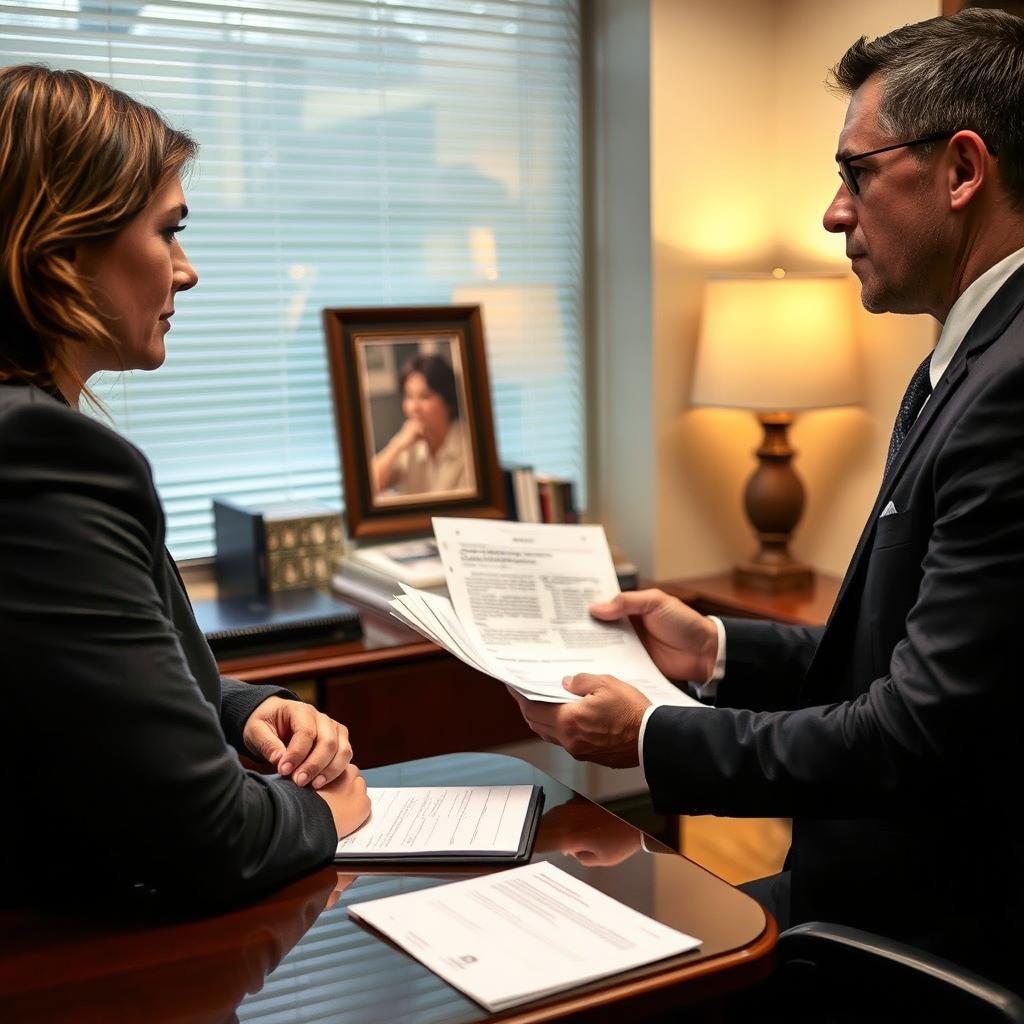
Resisting Arrest Lawyer Spring Valley, DC
You were walking near American University’s campus when police officers stopped you. A conversation turned tense, and suddenly you faced handcuffs and a charge of resisting arrest. Now you have a court date at the D.C. Superior Court. A conviction can follow you. In that moment, your next call matters. Contact Law Offices Of SRIS, P.C. at (888) 437-7747. An experienced attorney can begin protecting your rights today. Law Offices Of SRIS, P.C. — Advocacy Without Borders.
Defense Strategies for Resisting Arrest in DC
Resisting arrest charges in the District rely on the government’s ability to prove that your actions were intentional and not merely reflexive. The prosecution must show that you knowingly interfered with a lawful arrest. Several viable defenses may apply. An attorney can examine whether the initial stop was lawful, whether the officer used excessive force or failed to identify themselves properly, and whether your response was a reasonable reaction to the situation. Early case assessment is key, because evidence such as body‑camera footage or witness statements must be secured quickly. Mr. Sris and his Of Counsel team evaluate every angle—from the initial police encounter to the arrest report—looking for weaknesses in the prosecution’s case and opportunities to challenge the charges before trial.
What to Expect at D.C. Superior Court
All criminal cases arising in Spring Valley are heard at the D.C. Superior Court, 500 Indiana Avenue NW, Washington, DC 20001. Unlike most local courts, D.C. Prosecutions are handled by the United States Attorney’s Office for the District of Columbia, not a local district attorney. This means the prosecutor operates under federal practice standards even though the charge is brought under the D.C. Code. Your first court appearance, the arraignment, usually occurs within a day of arrest. At that hearing, the judge will inform you of the charge and may enter a plea. A judge or the Pretrial Services Agency will assess whether you can be released pending trial. D.C. Does not use traditional cash bail; instead, release conditions—such as supervision, drug testing, or stay‑away orders—are determined based on a risk assessment. After arraignment, your case will proceed through status conferences and, if necessary, trial. Throughout the process, having an attorney who is familiar with the courthouse and its procedures can help you navigate each stage and make informed decisions about your case.
Penalties for Resisting Arrest in Washington, D.C.
Resisting arrest is generally prosecuted as a misdemeanor under the D.C. Code. A conviction can result in probation, fines, or a period of incarceration. The specific sentence depends on the circumstances of the alleged incident and the defendant’s prior record. Beyond the immediate court‑imposed penalties, a conviction creates a permanent criminal record that can affect employment, professional licensing, and housing applications. However, many first‑time offenders may be eligible for alternative dispositions, such as diversion programs, that can lead to a dismissal. A knowledgeable attorney can discuss these options and work toward a resolution that minimizes long‑term consequences. Because the stakes extend far beyond a single court date, Mr. Sris and his Of Counsel approach every resisting arrest case with a focus on protecting your future.
How Mr. Sris and His Of Counsel Handle Criminal Cases
Mr. Sris, Owner and Founder of Law Offices Of SRIS, P.C., founded the firm in 1997. A former prosecutor with experience in criminal trial work, he understands how the government builds its cases—and how to challenge that case. He testified before the Virginia House Courts of Justice Committee in support of 2019 HB 635 (chief patron Del. David Bulova). Admitted in Virginia, Maryland, the District of Columbia, New Jersey, and New York, he maintains a small personal caseload to stay directly involved in the firm’s most complex matters.
Mr. Sris works alongside his Of Counsel team, each of whom brings over a decade of experience. The firm’s DC criminal practice is led by an attorney who is deeply familiar with the federal‑local hybrid prosecution unique to the District. Mr. Sris and his Of Counsel bring over 120 years of combined legal experience. Results may vary. Their work has produced 4,739+ documented case results across all practice areas since 1997.
Frequently Asked Questions
Who prosecutes resisting arrest cases in Washington, D.C.?
Prosecutions are handled by the United States Attorney’s Office for the District of Columbia, not a local district attorney. Because the District is a federal territory, local crimes under the D.C. Code are prosecuted by assistant U.S. Attorneys. This federal‑local hybrid means the prosecutor operates under federal practice standards. All cases are heard at D.C. Superior Court. To discuss your specific charge, reach Law Offices Of SRIS, P.C. at (888) 437-7747.
Does DC use cash bail for resisting arrest charges?
No, the District of Columbia does not use cash bail for most offenses. Instead, the Pretrial Services Agency conducts a risk assessment and recommends release conditions to the court. Most defendants are released without posting money. Conditions may include check‑ins, drug testing, or stay‑away orders. Contact Law Offices Of SRIS, P.C. at (888) 437-7747 to understand how release decisions work in your case.
What should I do if I’m arrested for resisting arrest in Spring Valley?
Remain calm, do not resist further, and clearly state that you wish to remain silent. Ask to speak with an attorney before answering any questions. Do not discuss the incident with anyone except your lawyer. Preserve any evidence that may help your defense, such as witness contact information or video footage. Prompt legal guidance can make a significant difference in the outcome of your case.
How long does a resisting arrest case take in D.C.?
The timeline depends on the court’s calendar and the complexity of the case. Misdemeanor matters may resolve in a few months, while cases with factual disputes or extensive pretrial motions can take longer. The Speedy Trial Act imposes deadlines, but many factors—including competency evaluations or scheduling conflicts—can extend the process. Your attorney can provide a more accurate estimate based on the specific circumstances of your case.
Can I get my DC criminal record sealed for a resisting arrest conviction?
Yes, DC law allows record sealing for certain outcomes, including acquittals, dismissals, and some convictions after a waiting period. Eligibility depends on the disposition of the charge and whether the offense qualifies. Marijuana offenses have expanded sealing options. An attorney can help you determine whether you are eligible and guide you through the petition process.
For a full statutory breakdown of resisting arrest laws in D.C., see Law Offices Of SRIS, P.C. DC Criminal Defense.
Reach Law Offices Of SRIS, P.C. at (888) 437-7747 to request a consultation. We serve Spring Valley and the greater Washington, D.C. Area from our Arlington location: 1655 Fort Myer Dr, Suite 700, Room 719, Arlington, VA 22209. By appointment only.
Attorney advertising. Prior results do not guarantee a similar outcome. Results may vary.
Case results depend on a variety of factors unique to each case.