
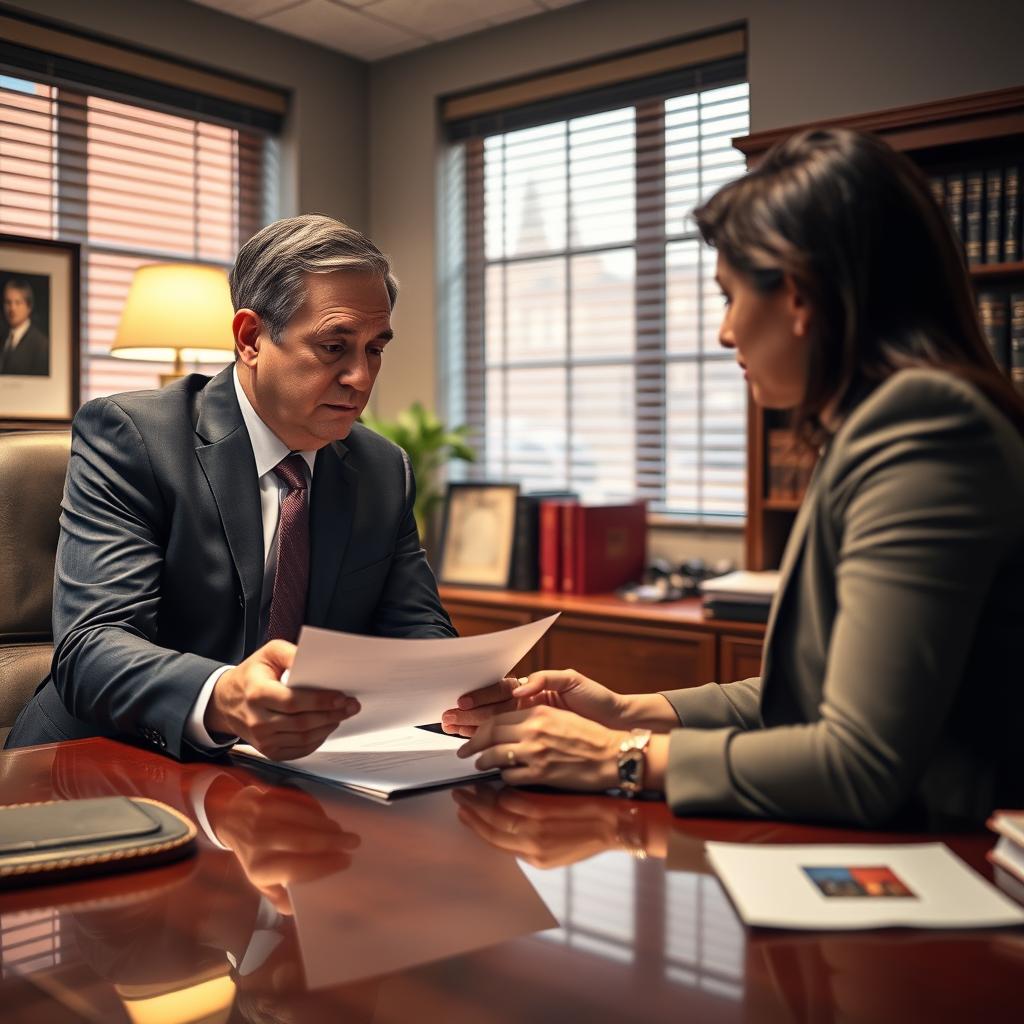
Can a criminal conviction be overturned in District of Columbia
A criminal conviction in the District of Columbia can follow you for years — blocking job offers, professional licenses, housing, or immigration benefits. You may feel trapped by a case that ended months or even years ago. There are legal avenues to challenge that conviction if your trial was flawed, your attorney was ineffective, or new evidence has come to light. At Law Offices Of SRIS, P.C., Mr. Sris and his Of Counsel team have decades of experience handling D.C. Criminal matters, including post‑conviction motions and appeals. If you believe your conviction was unjust, reach our firm at (888) 437-7747 to schedule a consultation. Law Offices Of SRIS, P.C. — Advocacy Without Borders.
What It Means to Overturn a Criminal Conviction in the District of Columbia
In the District of Columbia, “overturning” a conviction means persuading a judge to vacate a guilty finding or a sentence. Depending on the relief granted, the court may dismiss the charges entirely, order a new trial, modify the sentence, or correct an illegal sentence. The D.C. Superior Court has authority over most criminal convictions in the District, while convictions from the D.C. Court of Appeals may be challenged in limited circumstances. The process typically begins by identifying reversible error — mistakes by the trial judge, prosecutorial misconduct, the ineffective assistance of counsel, or newly discovered evidence that was not available at trial.
Post‑conviction relief is not a second trial. It is a focused proceeding that tests whether the original conviction was legally sound. Common grounds include: the trial attorney failed to investigate a key witness or raise a viable defense; the prosecutor withheld exculpatory evidence; the defendant’s guilty plea was not knowing or voluntary; or the sentence exceeded statutory limits. Each of these arguments must be raised in a timely motion and supported by a record that demonstrates prejudice. The Superior Court applies strict rules to weed out weak claims, so carefully selecting and substantiating the strongest grounds for relief is essential. An experienced lawyer who is familiar with D.C. Court procedures can help identify viable issues and build a persuasive motion.
How Mr. Sris and His Of Counsel Handle Post‑Conviction Cases
When a potential client brings a past conviction to the firm, Mr. Sris and his Of Counsel first conduct a thorough review of the trial record. They examine the indictment, plea colloquy, trial transcripts, sentencing documents, and any prior appellate decisions. The goal is to identify legal errors or factual gaps that could support a motion for a new trial, a motion to withdraw a plea, or a post‑conviction petition. Because D.C. Judicial procedures are shaped by both local rules and federal statutory overlay, the team draws on years of experience appearing in D.C. Superior Court to choose the most appropriate procedural route.
Once the strongest claims are identified, the team drafts and files the legal memorandum, gathers supporting affidavits and records, and prepares for any evidentiary hearing. If a hearing is ordered, Mr. Sris and his Of Counsel present oral argument and, where necessary, call witnesses to establish the factual basis for relief. Throughout the proceedings, they keep the client informed and work collaboratively to achieve favorable outcomes. While past results do not guarantee a similar outcome, the firm’s comprehensive, detail‑oriented approach helps ensure that every legitimate argument is fully developed and presented to the court.
About Mr. Sris and His Of Counsel Team
Mr. Sris, Owner and Founder of Law Offices Of SRIS, P.C., has been practicing law since 1997. He is a former prosecutor and is admitted to practice in Virginia, Maryland, the District of Columbia, New Jersey, and New York. Mr. Sris testified before the Virginia House Courts of Justice Committee in support of 2019 HB 635 (chief patron Del. David Bulova). His criminal-law background, including prosecution experience, provides valuable insight into how the government builds and defends its cases — insight that the firm applies to post‑conviction advocacy. Mr. Sris is supported by a team of Of Counsel attorneys who collectively contribute over 120 years of combined legal experience and have achieved 4,739+ documented firm-wide results. Results may vary.
Frequently Asked Questions
How can a criminal conviction be overturned in the District of Columbia?
A D.C. Conviction can be overturned through a direct appeal, a motion to withdraw a guilty plea, a motion for a new trial, or a post‑conviction petition that demonstrates legal error or newly discovered evidence. Direct appeals challenge the trial court’s rulings before a higher court. Motions to withdraw a plea or for a new trial are heard by the same judge who presided over the case. Post‑conviction petitions, such as motions alleging ineffective assistance of counsel, can be filed under D.C. Procedural rules. Each path has strict deadlines, so consulting an attorney as soon as possible is critical. For a consultation, reach Mr. Sris and his Of Counsel at (888) 437-7747.
What is a motion to withdraw a guilty plea in D.C.?
A motion to withdraw a guilty plea asks the D.C. Superior Court to set aside the plea so the defendant can go to trial or negotiate a different resolution, usually based on claims that the plea was not knowing, voluntary, or supported by effective assistance of counsel. The court considers factors like whether the defendant understood the charges and the rights waived, whether any promises were broken, and whether the plea was entered under duress. If the judge grants the motion, the case returns to the pretrial stage. For guidance on your specific situation, reach Law Offices Of SRIS, P.C. at (888) 437-7747.
Can a D.C. Conviction be overturned based on ineffective assistance of counsel?
Yes, a D.C. Court may grant relief if a defendant shows that their attorney’s performance was constitutionally deficient and that the deficiency prejudiced the outcome. This requires evidence that the lawyer made errors so serious that they were not functioning as the “counsel” past results do not guarantee a similar outcome by the Sixth Amendment, and that there is a reasonable probability the result would have been different. Common claims include failure to investigate, failure to advise on plea offers, or failure to object to inadmissible evidence. Each case is fact‑specific. To discuss the details of your matter, contact Law Offices Of SRIS, P.C. at (888) 437-7747.
Is there a time limit to challenge a conviction in the District of Columbia?
Yes, D.C. Law imposes strict deadlines for filing post‑conviction motions, direct appeals, and other challenges, and missing those deadlines can permanently bar relief. For example, motions for a new trial or to withdraw a plea must generally be filed within a designated period after the conviction. A post‑conviction petition alleging ineffective assistance of counsel also has a filing window. Because the timelines vary by the type of claim and the procedural posture, anyone considering a challenge should speak with an experienced criminal defense attorney without delay. For a consultation, reach Mr. Sris and his Of Counsel at (888) 437-7747.
Do I need a lawyer to seek post‑conviction relief in D.C.?
While you are not legally required to have an attorney, post‑conviction proceedings are procedurally complex, and a lawyer can identify the most promising grounds for relief, draft persuasive legal arguments, and represent you at any hearing. Self‑represented litigants often face difficulties meeting procedural requirements and proving prejudice. An experienced attorney who practices regularly in D.C. Superior Court can evaluate the strengths and weaknesses of your case and help you decide the trusted course of action. To discuss your options, reach Law Offices Of SRIS, P.C. at (888) 437-7747.
What if my conviction was in D.C. Superior Court?
Most post‑conviction motions in D.C. Superior Court are heard by the same judge who presided over the original trial or plea, applying local procedural rules. The judge will consider the legal arguments and any supporting evidence presented. If the judge finds a reversible error, they can grant a new trial, vacate the conviction, or impose a different sentence. Because the standards are rigorous and many claims are time‑barred if not raised promptly, early review by a lawyer is essential. For guidance on your specific situation, contact Law Offices Of SRIS, P.C. at (888) 437-7747.
Related areas served:
Criminal defense representation in Washington, D.C. ·
Georgetown criminal matters ·
Criminal lawyer serving Spring Valley ·
Cleveland Park criminal defense ·
Chevy Chase D.C. Criminal lawyer
Official D.C. Resources:
D.C. Code ·
D.C. Superior Court
Attorney advertising. Prior results do not guarantee a similar outcome. Case results depend on a variety of factors unique to each case. Results may vary.