
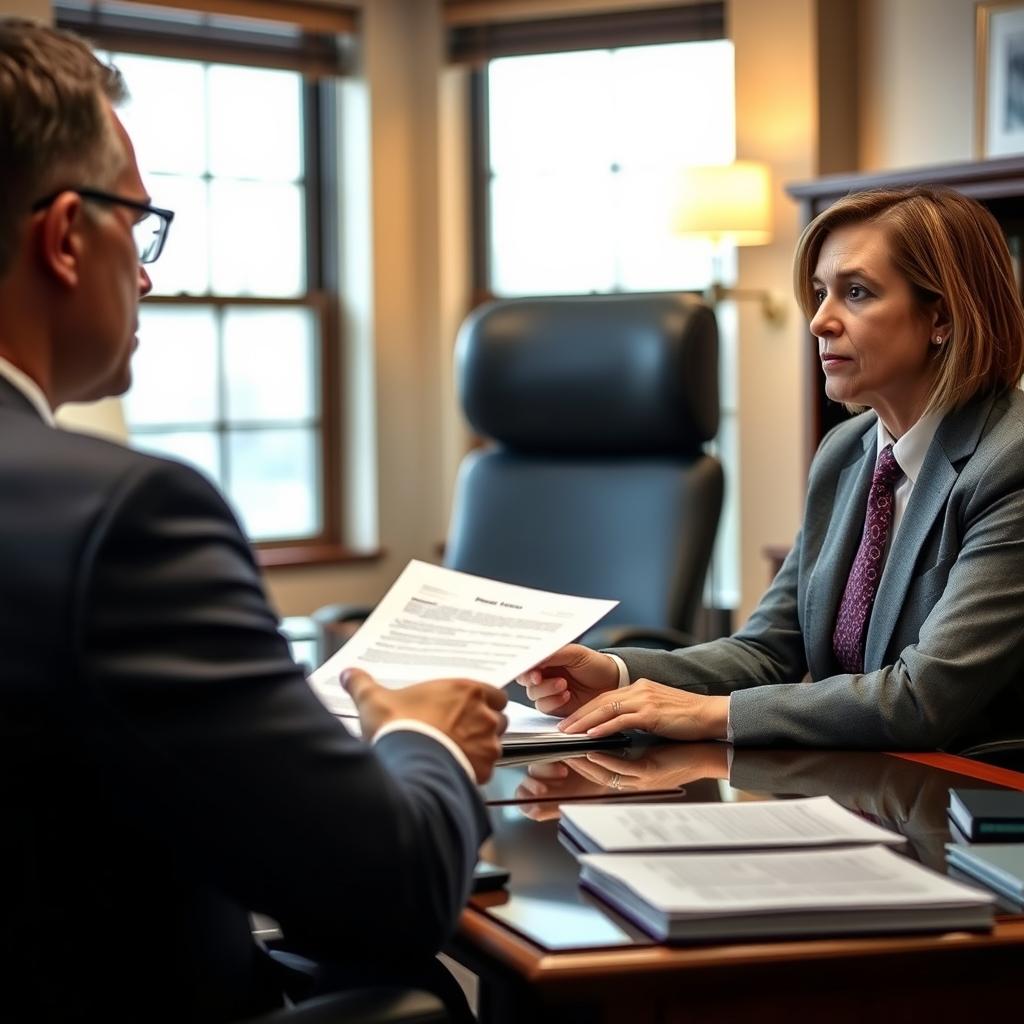
Should I talk to police without a lawyer in New York
You are not legally required to speak with police—and you generally should not do so without an attorney present. Anything you say can be used against you, and law enforcement officers are trained to elicit incriminating statements. Invoking your Fifth Amendment right to remain silent and your Sixth Amendment right to counsel does not imply guilt and cannot be held against you in court. If you are being questioned or are the target of an investigation anywhere in New York, request a consultation with Mr. Sris and his Of Counsel team at (888) 437-7747 before making any statement. Law Offices Of SRIS, P.C. — Advocacy Without Borders.
Why You Should Not Talk to Police Without a Lawyer Present
Under New York law, you have the right to remain silent and to have an attorney present during any custodial interrogation. Police may use techniques designed to make you feel that cooperating without counsel is in your best interest, but the reality is that statements made without a lawyer can be used to build a case against you. Even seemingly harmless information can be twisted to fit a narrative, and once you have spoken, it is almost impossible to undo the damage.
Mr. Sris and his Of Counsel represent clients facing investigation or charges throughout New York, including New York City, Long Island, the Hudson Valley, and Western New York. A criminal matter can affect your liberty, your livelihood, and your immigration status, and having experienced defense counsel from the start is one of the most important steps you can take.
Frequently Asked Questions
Do I have to answer questions if the police stop me on the street in New York?
You generally do not have to answer questions from police during a street encounter. If you are not in custody, you can simply decline to speak and ask whether you are free to leave. However, physical identification requirements may apply under certain circumstances. Exercising your right to remain silent cannot be used to justify an arrest.
What should I do if New York police ask me to come to the station for questioning?
Politely decline and state that you want an attorney present before any questioning. You are not required to go to a police station voluntarily. If officers have probable cause, they may arrest you regardless of your cooperation. In that situation, clearly and firmly request a lawyer and then remain silent.
Can my silence be used against me in a New York criminal case?
Under New York law, a defendant’s pre-arrest silence generally cannot be used as evidence of guilt. Once you are in custody and invoke your right to remain silent, that invocation is inadmissible. Exercising your constitutional rights is not an admission of wrongdoing.
What are my Miranda rights in New York?
You have the right to remain silent, the right to an attorney, and the right to have an attorney appointed if you cannot afford one. Police must advise you of these rights before a custodial interrogation. If they fail to do so, any statements you make may be suppressed in court.
How do I ask for a lawyer if I am arrested in New York?
Simply say, “I want a lawyer,” or “I am invoking my right to counsel.” Once you make an unequivocal request for an attorney, police must stop all questioning until your lawyer is present. If questioning resumes, any subsequent statements may be inadmissible.
Can I speak with a lawyer before answering any police questions in New York?
Yes, you have the right to consult with an attorney before speaking to law enforcement. If you are in custody, police must allow you reasonable access to communicate with counsel. Contact Law Offices Of SRIS, P.C. at (888) 437-7747 to discuss your rights as soon as possible.
What happens if I speak to police without a lawyer and later regret it?
Statements made voluntarily and without counsel present may be used against you at trial. A defense attorney can evaluate whether the police followed proper procedures and may move to suppress statements taken in violation of your rights. Early legal intervention is critical to preserving your defense options.
Are there any situations in which I must speak to police in New York?
Limited exceptions exist, such as providing your name and identification under suspicious-activity statutes. Outside those narrow circumstances, you may invoke your right to remain silent. Because these exceptions can create gray areas, consult with counsel before making any statement.
How long does a criminal case take in New York?
The duration varies significantly depending on the charge, court backlog, and whether the case goes to trial. Misdemeanor matters can resolve in weeks or months, while felony cases may take many months or longer. Prompt legal representation can help navigate deadlines and procedural requirements.
How much does a criminal lawyer cost in New York?
Fees depend on the complexity of the case, the attorney’s experience, and the region within New York. Mr. Sris and his Of Counsel offer consultations by appointment; contact (888) 437-7747 to discuss the specifics of your matter and any fee arrangements.
About Mr. Sris and His Of Counsel Team
Mr. Sris, Owner and Founder of Law Offices Of SRIS, P.C., is a former prosecutor with experience in criminal trial work. He and his Of Counsel represent individuals across Virginia, Maryland, the District of Columbia, New Jersey, and New York. The firm was founded in 1997, and Mr. Sris testified before the Virginia House Courts of Justice Committee in support of 2019 HB 635 (chief patron Del. David Bulova).
Mr. Sris and his Of Counsel bring over 120 years of combined legal experience and have achieved over 4,739 documented firm-wide results. Results may vary. To discuss your rights and the trusted way to handle any police questioning, contact the firm at (888) 437-7747.
Attorney advertising. Prior results do not guarantee a similar outcome.
Case results depend on a variety of factors unique to each case.
Results may vary.