
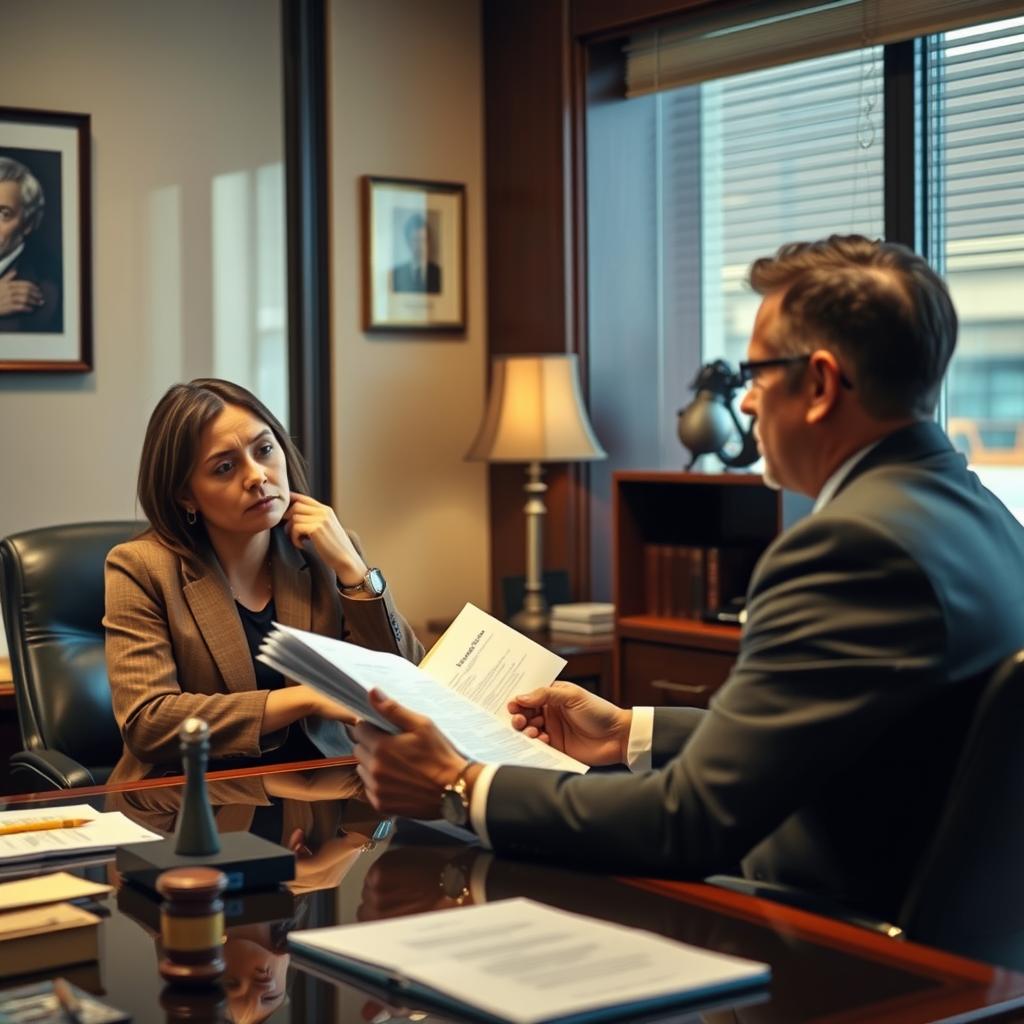
Can a criminal conviction be overturned in New York
You were convicted of a crime in New York, and now you are living with a criminal record that limits your employment, housing, and personal freedom. You may feel as though the court’s decision is final, but in many cases, a conviction is not the end of the road. New York law provides several avenues to challenge and potentially overturn a criminal conviction, whether through a direct appeal, post‑conviction motion, or federal habeas corpus review. Mr. Sris and his Of Counsel team are available to help you understand which path may be available in your case. For a consultation, reach Law Offices Of SRIS, P.C. at (888) 437‑7747. Law Offices Of SRIS, P.C. — Advocacy Without Borders.
Strategy Options to Overturn a New York Conviction
The route to overturning a conviction depends on the legal errors that occurred, the stage of your case, and whether you pleaded guilty or were found guilty after trial. Three principal mechanisms exist under New York law.
Direct Appeal. If you were convicted after trial, you have the right to a direct appeal to a higher court. The appeal argues that errors during the trial — such as an incorrect jury instruction, admission of improper evidence, or prosecutorial misconduct — deprived you of a fair proceeding. An appellate court can reverse the conviction, order a new trial, or modify the sentence. Appeals are highly technical and require a thorough review of the trial record.
Post‑Conviction Motion (CPL Article 440). Even after the time for a direct appeal has passed, New York’s Criminal Procedure Law allows a defendant to file a motion to vacate the judgment and set aside the sentence. This post‑conviction relief is available on grounds such as newly discovered evidence, ineffective assistance of counsel, a coerced guilty plea, or constitutional violations that were not apparent at the time of trial. An Article 440 motion is filed in the court that originally sentenced you, and a hearing may be held.
Federal Habeas Corpus. After state‑level remedies have been fully exhausted, a person in custody may petition a federal district court for a writ of habeas corpus. This federal review is limited to whether the state conviction violated the United States Constitution or federal law. It is not a second appeal of the state‑court decision, but rather a safeguard against fundamental unfairness.
Other remedies, such as a writ of error coram nobis, may be available in rare circumstances for people who are no longer in custody. Each pathway has strict procedural rules, and missing a deadline can waive your right to seek relief. An experienced attorney can identify which strategy is appropriate for your circumstances.
What To Expect in a Post‑Conviction Proceeding
Overturning a conviction is not a fast or simple process, but it is a well‑established part of New York’s criminal justice system. The first step is a comprehensive review of your case — the trial transcript, plea colloquy, motion papers, and any evidence that was not presented at trial. If a viable ground exists, your attorney will prepare the necessary legal filings and, in the case of an Article 440 motion, may request an evidentiary hearing.
The court will review the papers and, if a hearing is held, will evaluate the evidence and testimony. The prosecution is given an opportunity to respond. In an appeal, the appellate court reviews the written briefs and the record, and in some instances holds oral argument. A decision may take months, depending on the court’s calendar and the complexity of the issues. If the motion or appeal is denied, there may be further review available to a higher state or federal court.
Throughout the process, you have the right to be represented by counsel. Post‑conviction law is highly specialized, and working with a lawyer who understands the procedural nuances can make a meaningful difference.
Consequences of a Criminal Conviction in New York
A criminal conviction — whether a misdemeanor or a felony — carries consequences that last far beyond any sentence of jail or probation. In New York, a conviction can affect your employment opportunities, professional licensing, housing eligibility, student loan access, and immigration status. A felony conviction results in the loss of certain civil rights, including the right to possess a firearm and, for some offenses, the right to vote while incarcerated. Even after completing your sentence, the stigma of a criminal record can limit your ability to rebuild your life.
Overturning a conviction provides meaningful relief. If your conviction is vacated, you may be eligible to have the case dismissed or to receive a new trial. In some situations, the record can be sealed under New York’s conditional sealing law, and if the charge is dismissed, you may be able to have it expunged from public view. The right strategy can reduce the impact of a conviction on your future.
For a detailed analysis of New York criminal procedure and further statutory information, see the comprehensive guide at srislawyer.com.
About Mr. Sris and His Of Counsel
Mr. Sris, Owner and Founder of Law Offices Of SRIS, P.C., is a former prosecutor who has practiced law since 1997. He is admitted in Virginia, Maryland, the District of Columbia, New Jersey, and New York, and concentrates his practice on criminal defense and post‑conviction relief. Mr. Sris testified before the Virginia House Courts of Justice Committee in support of 2019 HB 635 (chief patron Del. David Bulova).
Mr. Sris and his Of Counsel bring over 120 years of combined legal experience and 4,739+ documented firm-wide results to post‑conviction matters. Results may vary. The team includes former prosecutors and former law enforcement officers who understand how the other side builds its case, and who work diligently to identify errors and protect clients’ rights.
Frequently Asked Questions
Can a conviction be overturned if I pleaded guilty?
Yes, a guilty plea does not automatically bar post‑conviction relief. You may still challenge the conviction if the plea was involuntary, the court failed to advise you of certain consequences, or your attorney provided ineffective assistance. An experienced attorney can review your case to determine viable grounds.
How long does it take to overturn a conviction in New York?
The timeline varies by case complexity and court scheduling. A direct appeal can take many months, while a CPL Article 440 motion may be resolved more quickly if the issue is clear. Federal habeas corpus review often takes longer. Prompt action is critical because deadlines apply at each stage.
What is a CPL Article 440 motion?
A CPL Article 440 motion is a post‑conviction request to vacate a judgment. It is filed in the court where the conviction occurred and can raise issues such as newly discovered evidence, ineffective assistance of counsel, or constitutional violations. If the motion is granted, the conviction may be overturned.
Can I appeal a criminal conviction after the deadline has passed?
In most cases, the time to file a direct appeal is limited, but you may still seek relief through a post‑conviction motion. A CPL Article 440 motion is not subject to the same strict deadline as a direct appeal, though you should act without delay. An attorney can evaluate whether an exception applies.
What is the difference between a direct appeal and an Article 440 motion?
A direct appeal challenges errors that appear in the trial record, while an Article 440 motion raises issues that may not be evident from the record alone. For example, ineffective assistance of counsel often requires facts outside the transcript and is raised through an Article 440 motion.
Can a federal habeas corpus petition overturn a state conviction?
Yes, but only if the state conviction violated the United States Constitution or federal law. Federal courts give significant deference to state court rulings. Habeas corpus is available only after state remedies have been exhausted and is subject to strict procedural rules.
What is newly discovered evidence, and can it overturn a conviction?
Newly discovered evidence that could not have been uncovered earlier through due diligence may justify vacating a conviction. Such evidence must be likely to change the outcome of the trial. It can include new witness testimony, forensic findings, or evidence that the prosecution withheld.
Can a conviction be sealed after it is overturned?
If your conviction is vacated and the charge is dismissed, you may be eligible to have the record sealed. New York’s conditional sealing law allows certain convictions to be sealed after a waiting period, and dismissals are often eligible for immediate sealing. An attorney can guide you through the process.
Do I need a lawyer to overturn a conviction?
While you have the right to represent yourself, post‑conviction proceedings are complex and technical. An experienced lawyer can identify viable claims, navigate procedural rules, and present a persuasive argument. Mistakes can permanently waive important rights, so professional representation is strongly advisable.
How much does it cost to hire a lawyer for post‑conviction relief?
Fees vary by case and firm. Law Offices Of SRIS, P.C. offers consultations to discuss your situation. Contact us at (888) 437‑7747 for a case evaluation and to learn more about our approach to post‑conviction matters.
What happens if my motion to vacate is denied?
If a motion to vacate is denied, you may have the right to seek leave to appeal to a higher court in New York. The appellate court will review whether the lower court correctly applied the law. A further federal habeas corpus petition may also be an option in limited circumstances.
Can immigration consequences be avoided by overturning a conviction?
Vacating a criminal conviction can potentially eliminate the immigration consequences that flow from it. Because immigration law often ties removal and inadmissibility to specific conviction records, eliminating the conviction can remove the legal basis for adverse immigration action. Immigration and criminal counsel should work together in such cases.
Request a Consultation
If you are seeking to overturn a criminal conviction in New York, contact Law Offices Of SRIS, P.C. to request a consultation. We will review your case and help you understand the options under New York law. Call (888) 437‑7747 (toll‑free) or reach our Buffalo location at (838) 292‑0003.
Related New York practice areas: New York Criminal Defense · DWI Defense in New York · Drug Possession Defense · Assault Defense · Federal Criminal Cases
50 Fountain Plaza, Suite 1400, Office No. 142
Buffalo, NY 14202
(838) 292‑0003 · (888) 437‑7747 (toll‑free)
Attorney advertising. Prior results do not guarantee a similar outcome. Case results depend on a variety of factors unique to each case. Results may vary.