
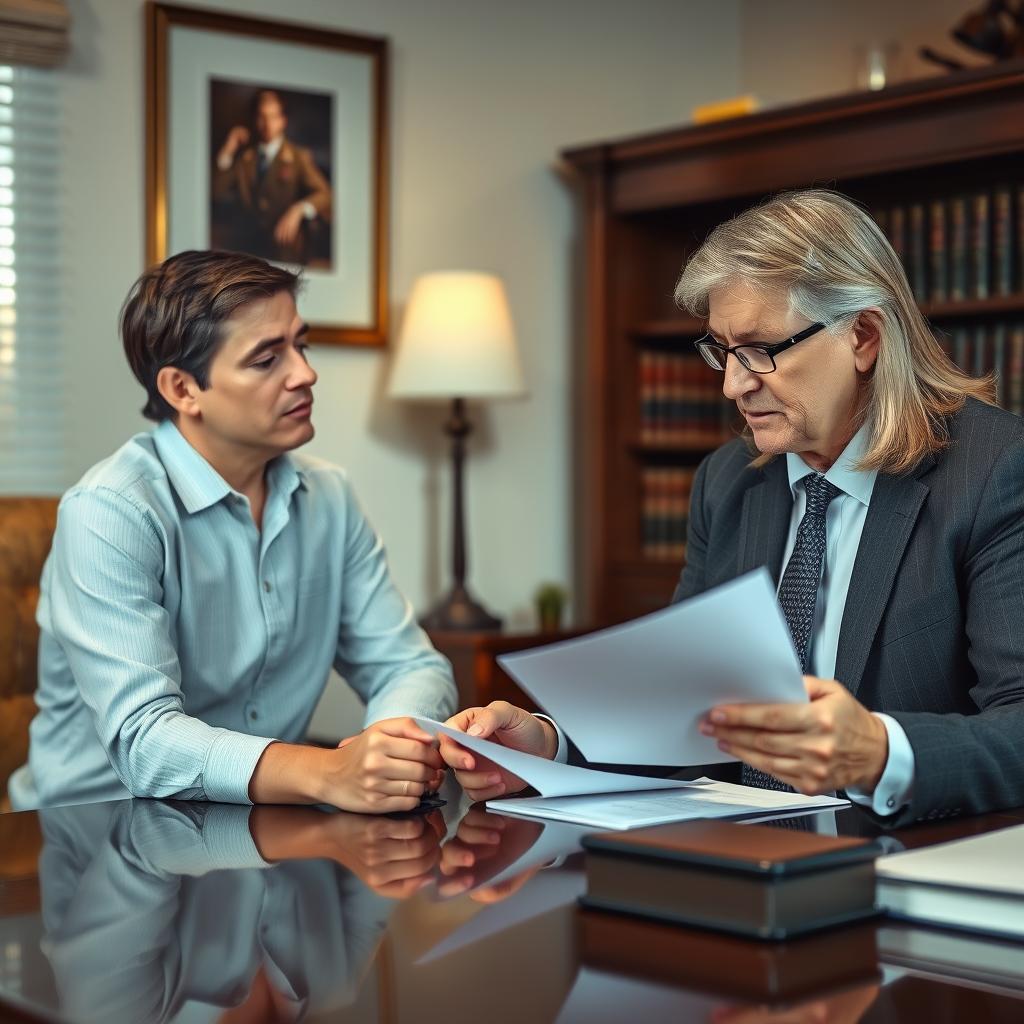
Disorderly Conduct Lawyer Caroline County, VA
A disorderly conduct charge in Caroline County, Virginia, can have lasting consequences. Under Va. Code § 18.2-415, disorderly conduct is a Class 1 misdemeanor, prosecuted in the Caroline County General District Court or, in more serious circumstances, the Circuit Court. A conviction may result in jail time, fines, and a permanent criminal record. If you are facing such a charge, experienced legal representation can make a meaningful difference. Mr. Sris and his Of Counsel at Law Offices Of SRIS, P.C. have handled criminal matters throughout Virginia and Maryland since 1997, and they are available to review your case. To schedule a consultation, reach our location at (888) 437-7747.
Law Offices Of SRIS, P.C. — Advocacy Without Borders.
What Disorderly Conduct Means in Caroline County
Virginia law defines disorderly conduct as behavior undertaken with the intent to cause public inconvenience, annoyance, or alarm, or behavior that recklessly creates such a risk. Common examples include fighting in public, disrupting lawful meetings or assemblies, and using obscene language or gestures near a school or place of worship during instructional hours. The offense is set out in Va. Code § 18.2-415 and is classified as a Class 1 misdemeanor. If convicted, a person faces serious penalties that can include incarceration and monetary fines, along with the collateral consequences of a criminal record.
In Caroline County, disorderly conduct cases are typically heard in the General District Court. The county’s courthouse is located in Bowling Green, and the Commonwealth’s Attorney prosecutes the charge on behalf of the state. Plea bargaining is permitted under Rule 3A:8 of the Rules of the Supreme Court of Virginia; the Commonwealth’s Attorney and defense counsel may negotiate a plea agreement, which the court may accept or reject. Mr. Sris and his Of Counsel regularly appear in Caroline County courts and understand how local prosecutors and judges approach these matters. While each case is unique, the firm works to achieve a favorable resolution through careful case assessment, evidentiary challenges, and, when appropriate, negotiation with the prosecutor.
How Mr. Sris and His Of Counsel Handle Disorderly Conduct Cases
When Law Offices Of SRIS, P.C. takes on a disorderly conduct defense, the first step is a thorough review of the arrest circumstances, witness statements, and any available video or audio evidence. Mr. Sris and his Of Counsel examine whether law enforcement followed proper procedures, whether the alleged conduct actually meets the statutory elements, and whether constitutional protections were respected. They then develop a defense strategy tailored to the client’s goals—whether seeking a dismissal, a reduction to a lesser offense, or a favorable outcome at trial.
Because Mr. Sris has experience as a former prosecutor, he brings insight into how the Commonwealth’s Attorney builds a case. This perspective helps him and his Of Counsel identify weaknesses in the state’s evidence and present compelling arguments on behalf of the client. Throughout the process, the firm keeps clients informed of court dates, potential outcomes, and the reasoning behind each strategic decision. Every defense is built on the facts of the individual case and the applicable law; the firm does not guarantee any particular result.
About Mr. Sris and His Of Counsel Team
Mr. Sris, Owner and Founder of Law Offices Of SRIS, P.C., has practiced criminal law since 1997. He is a former prosecutor and is admitted to practice in Virginia, Maryland, the District of Columbia, New Jersey, and New York. His legislative experience includes testifying before the Virginia House Courts of Justice Committee in support of 2019 HB 635 (chief patron Del. David Bulova). Mr. Sris works closely with his Of Counsel, who bring extensive litigation backgrounds and deep familiarity with Virginia criminal procedure. Together, they have documented thousands of case results across multiple practice areas. Results may vary.
Frequently Asked Questions
What should I do if I am charged with disorderly conduct in Caroline County?
Contact an experienced criminal defense attorney as soon as possible. Do not discuss the details of the incident with anyone except your lawyer, and preserve any relevant evidence, such as video recordings, photographs, or witness contact information. Early involvement by counsel may help protect your rights and influence how the prosecutor evaluates the case.
Can a disorderly conduct charge be dropped or reduced in Virginia?
Yes, it may be possible to have a disorderly conduct charge dismissed or amended. The Commonwealth’s Attorney can agree to reduce the charge to a lesser offense or enter a nolle prosequi if the evidence is weak. An attorney who is familiar with local court practices can negotiate with the prosecutor and present mitigating circumstances to seek a favorable outcome.
Will a disorderly conduct conviction appear on my record?
Yes, a conviction for disorderly conduct becomes part of your permanent criminal record. Because it is a Class 1 misdemeanor, it can appear on background checks and may affect employment, housing, and professional licensing. Avoiding a conviction is often a primary goal of the defense, and an attorney can advise you on potential avenues for expungement or record sealing if you are eligible.
Do I need a lawyer for a disorderly conduct charge, or can I handle it myself?
While you are not legally required to have an attorney, representing yourself can be risky. The criminal process involves procedural rules, evidentiary standards, and sentencing guidelines that are difficult to navigate without training. A lawyer can evaluate the state’s evidence, identify procedural errors, and negotiate with the prosecutor—steps that may significantly affect the outcome.
How are disorderly conduct cases handled in Caroline County courts?
Disorderly conduct cases in Caroline County are typically heard in the General District Court. At an arraignment, the defendant is advised of the charge and enters a plea. If the case is not resolved, it may be set for trial. Because Virginia does not allow judges to participate in plea bargaining, any agreement must be worked out between defense counsel and the Commonwealth’s Attorney before presenting it to the court.
For more information, visit the Virginia Code Title 18.2 and the Virginia Court System.
Attorney advertising. Prior results do not guarantee a similar outcome. Results may vary.
Case results depend on a variety of factors unique to each case.