
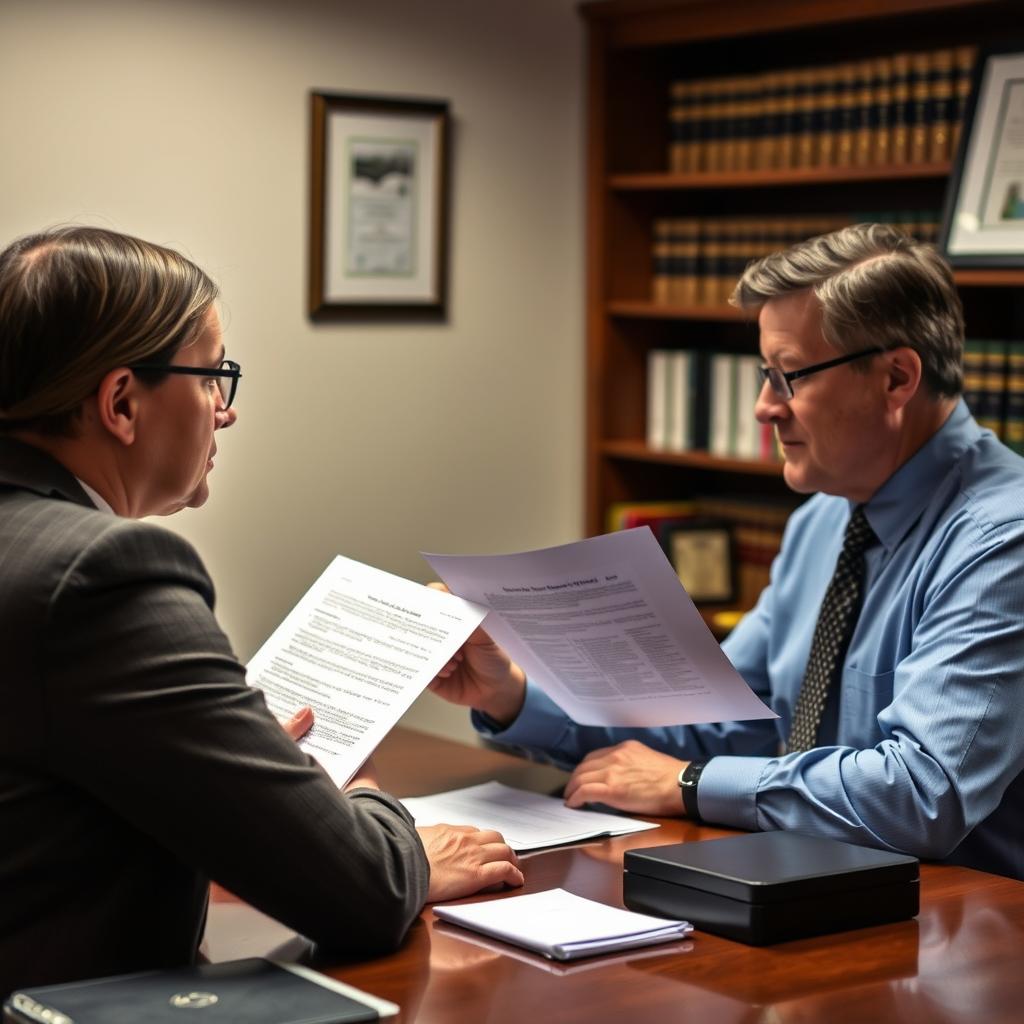
What happens at a criminal arraignment in Columbia County
An arraignment is your first formal appearance before a judge in a criminal case. In Columbia County, New York, after you have been arrested or issued a desk appearance ticket, you will be required to appear at the Columbia County Criminal Court—or, for more serious charges, at the Columbia County County Court or Supreme Court Criminal Term—to hear the charges against you, enter a plea, and address the matter of bail or release conditions. This proceeding sets the direction for your case, and having experienced legal guidance at this stage can make a meaningful difference. Mr. Sris, Owner and Founder of Law Offices Of SRIS, P.C., and his Of Counsel appear in Columbia County courts and can help you understand the process and protect your rights. Reach our New York location at (888) 437-7747 to schedule a consultation before your court date. Law Offices Of SRIS, P.C. – Advocacy Without Borders.
Your Arraignment in Columbia County Criminal Court
When you appear for arraignment in Columbia County, the judge will first confirm your identity and verify that you have received a copy of the accusatory instrument—the document that sets out the charges against you. The judge will read or summarize the charges aloud and inform you of your right to counsel. If you do not have a lawyer, the court will determine whether you qualify for assigned counsel and, if so, will appoint an attorney to represent you. You will then be asked how you plead. In New York, the typical pleas are guilty, not guilty, or, in limited circumstances, nolo contendere. Most defendants plead not guilty at the arraignment, reserving the opportunity to negotiate a resolution or prepare a defense.
Bail and release conditions are also addressed at this stage. New York’s 2020 bail reform eliminated cash bail for most misdemeanors and non-violent felonies; many defendants are released on their own recognizance or with non-monetary conditions such as supervised release. For qualifying violent felonies and certain other offenses, bail may still be set. The judge may also issue an order of protection if the charges involve a victim. After your plea is entered and release conditions are set, the case will be adjourned for a future court date—either for a pretrial conference, motions, or trial. Understanding these steps and having counsel present can help you navigate the process with a clearer picture of what lies ahead. The court generally sits at 401 Union Street, Hudson, New York, and hearings proceed according to the court’s calendar.
Frequently Asked Questions
What is an arraignment in a criminal case?
An arraignment is the court hearing where a person accused of a crime is formally notified of the charges and asked to enter a plea. It is typically the first court appearance after an arrest or the issuance of a desk appearance ticket. The judge will inform the defendant of the right to counsel, set bail or authorize release, and schedule future proceedings. In Columbia County, misdemeanor arraignments occur in the Local Criminal Court, while felony arraignments may take place in County Court or Supreme Court Criminal Term.
When will my arraignment take place after an arrest in Columbia County?
Under New York law, an arrestee must be arraigned without unnecessary delay, usually within 24 hours of arrest. If you receive a desk appearance ticket—which is common for many low-level offenses—you will be given a date to appear, often several weeks out. The timeline can vary based on the charges, whether the arrest occurred on a weekend or holiday, and the court’s calendar. You must attend as directed to avoid a bench warrant.
Do I need a lawyer at my arraignment?
You are not required to have a lawyer, but it is strongly advisable because your plea and the early procedural decisions can affect the entire case. If you cannot afford counsel, the court will assign a public defender or an 18-b panel attorney at the arraignment. However, having your own attorney ensures you have dedicated representation from the start. Mr. Sris and his Of Counsel can appear with you in Columbia County and advocate for a favorable bail decision and a strategic plea.
Can I be released at my arraignment?
Yes, in many cases the court will release you on your own recognizance or with non-monetary conditions at the arraignment. New York’s bail reform law eliminated cash bail for most misdemeanors and non-violent felonies, meaning that judges rarely set cash bail for those charges. For offenses that remain bail-eligible, the judge may set bail or order detention after a hearing. The judge considers factors such as the severity of the charge, your ties to the community, and your criminal history.
What should I say at my arraignment?
You should speak only as directed by the judge and avoid discussing the facts of the case beyond entering your plea. Any statements you make can be used against you later. If you have questions, ask your attorney—not the judge—about strategy. The court will ask for your plea, and your lawyer can advise whether to plead not guilty, which preserves your rights while further investigation and negotiations take place.
What happens after I plead not guilty at my arraignment?
After a not guilty plea, the court will adjourn the case for a future date—usually for a pretrial conference or, in felony cases, a preliminary hearing or grand jury presentation. The discovery process begins, and your attorney will review the evidence, file motions, and explore plea negotiations. In Columbia County, the follow-up dates depend on whether the case is in the local criminal court or the county/supreme court.
What if I cannot afford a lawyer?
The court will determine your eligibility for assigned counsel at the arraignment and appoint a public defender or 18-b panel attorney if you qualify. You will be asked to complete a financial affidavit. While assigned counsel can provide capable representation, hiring private counsel allows you to choose an attorney with a specific background and a smaller caseload. Mr. Sris and his Of Counsel accept consultation requests in Columbia County; contact our firm to discuss your situation.
Can charges be dropped at the arraignment?
It is uncommon for charges to be dismissed at the arraignment itself, but your attorney may raise legal arguments that result in changes later. The arraignment is primarily for pleading and bail. However, if the accusatory instrument is defective or the prosecution concedes a weakness, the case may be addressed early. Most dismissals occur after further litigation, not at this first appearance.
What is the difference between a desk appearance ticket and an arraignment?
A desk appearance ticket (DAT) is a written notice directing you to appear in court on a future date without being held in custody; an arraignment is the actual court appearance where you answer the charges. If you receive a DAT, you are not arrested and booked at that time. You must appear as instructed, at which point the arraignment proceeds similarly to an arrest-then-arraignment sequence. Missing a DAT appearance can lead to a warrant.
How does bail work in New York after the 2020 bail reform?
New York eliminated cash bail for most misdemeanors and non-violent felonies, so many defendants are released without paying money. For offenses that remain bail-eligible—qualifying violent felonies, certain sex offenses, and some domestic violence charges—judges may set cash bail, insurance bond, or partially secured bond. They may also order supervised release or impose other conditions. An attorney can argue for the least restrictive conditions possible.
What if I miss my arraignment?
Missing an arraignment can result in the judge issuing a bench warrant for your arrest. If you cannot appear on the scheduled date, you or your attorney should contact the court immediately to request an adjournment. Appearing late or missing the date can have serious consequences, including bail forfeiture and new criminal charges. Call our New York location if you need help addressing a missed court date.
How can Law Offices Of SRIS, P.C. assist me at a Columbia County arraignment?
Mr. Sris and his Of Counsel appear in Columbia County courts and can represent you at the arraignment to protect your rights from the very beginning of the case. We review the charges, advise on a plea, argue for release without bail or for the least restrictive conditions, and begin building a defense strategy tailored to the local court’s practices. Our firm’s multi-state experience and knowledge of New York criminal procedure can help you face this first critical stage with a clearer understanding of your options.
About Mr. Sris and His Of Counsel Team
Law Offices Of SRIS, P.C., founded in 1997, serves clients across Virginia, Maryland, the District of Columbia, New Jersey, and New York. Mr. Sris, Owner and Founder, is a former prosecutor admitted in all five jurisdictions. He has testified before the Virginia House Courts of Justice Committee in support of 2019 HB 635 (chief patron Del. David Bulova). On criminal matters, Mr. Sris works alongside a dedicated team of Of Counsel attorneys. Mr. Sris and his Of Counsel bring over 120 years of combined legal experience and have achieved 4,739+ documented firm-wide results. Results may vary. To discuss representation at a Columbia County arraignment, reach our New York location at (888) 437-7747.
Attorney advertising. Prior results do not guarantee a similar outcome. Case results depend on a variety of factors unique to each case. Attorney responsible for this advertising: Mr. Sris. Results may vary.