
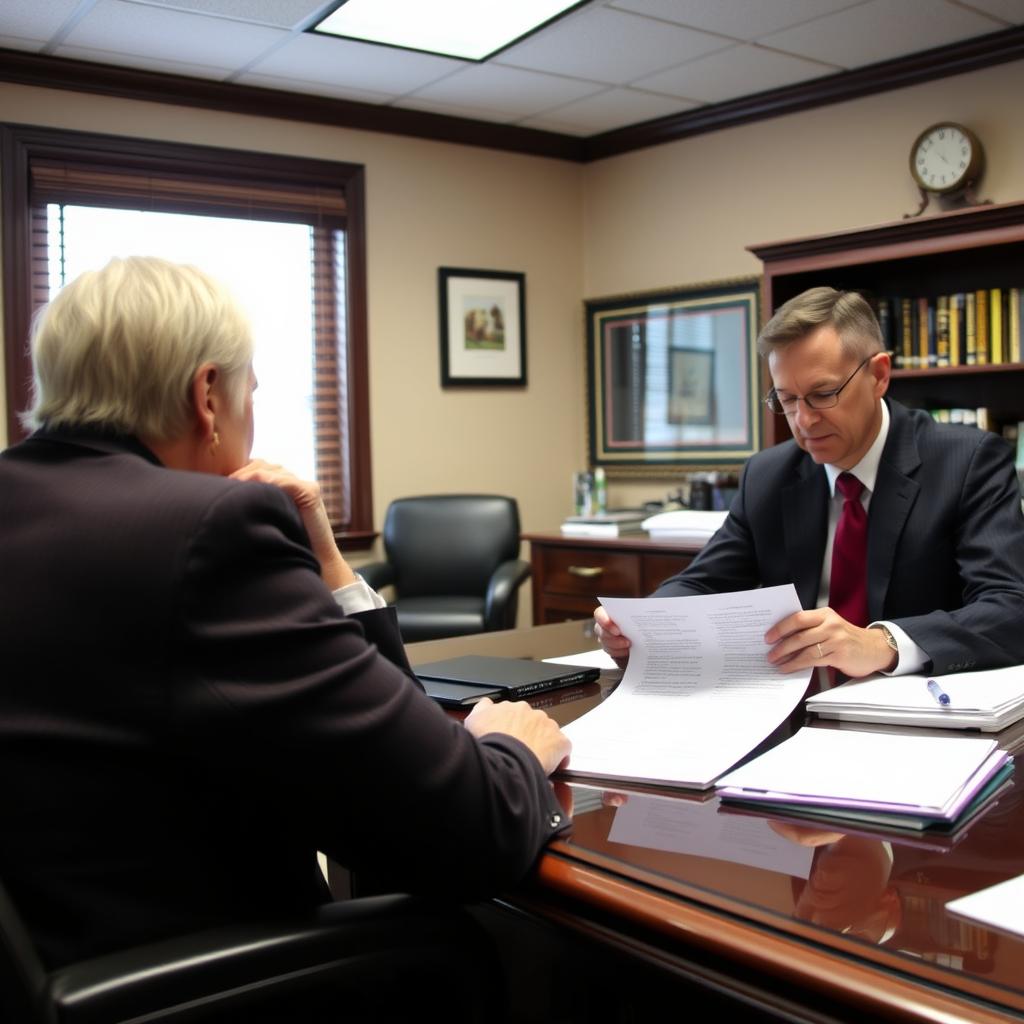
What happens at a criminal arraignment in King George County
A criminal arraignment is the proceeding where a defendant appears before a judge for the first time after being charged. In King George County, the location of the arraignment depends on the severity of the offense. Misdemeanor arraignments take place at the King George County General District Court, while felony arraignments occur in the King George County Circuit Court after a preliminary hearing in the district court. During the hearing, the court reads the charges, advises the defendant of the right to counsel, and asks the defendant to enter a plea. Law Offices Of SRIS, P.C. represents individuals at arraignments in King George County, assisting defendants in understanding the charges and the plea process. If you have been arrested, an experienced attorney can appear with you at the arraignment and help protect your rights from the very first court appearance. Reach our firm at (888) 437-7747 to request a consultation. Law Offices Of SRIS, P.C. — Advocacy Without Borders.
The Arraignment Process in King George County
When you are arrested in King George County, law enforcement will transport you to the magistrate, who determines whether probable cause exists and sets bond conditions. Your first court date—the arraignment—is scheduled shortly thereafter. Misdemeanor defendants appear in the King George County General District Court, located at 10446 Government Center Blvd, Ste 105, King George, VA 22485. Felony defendants first attend a preliminary hearing in the same court; if the judge finds probable cause, the case is certified to the Circuit Court, where the arraignment takes place. At the arraignment, the judge or clerk will formally state the charges, inform you of the right to an attorney, and ask how you plead. You may plead guilty, not guilty, or, under certain circumstances, nolo contendere. If you cannot afford an attorney, the court will determine your eligibility for court‑appointed counsel.
Having a lawyer at this stage is critical. While the arraignment is not a trial and no evidence is presented, the plea you enter can affect bond decisions, future proceedings, and your legal strategy. An attorney from Law Offices Of SRIS, P.C. can appear with you, advise you on which plea to enter, and immediately begin working on your defense. Even if you are released on bond, the obligations of your release and the deadlines that follow the arraignment can be complex. Our firm helps defendants in King George County navigate the process from the arraignment forward.
Frequently Asked Questions
What is the purpose of a criminal arraignment in King George County?
An arraignment formally notifies the defendant of the charges and allows them to enter a plea. The court ensures that the defendant understands the accusations and their constitutional rights, including the right to an attorney. In King George County, the arraignment also addresses bond and sets future court dates. This initial appearance is a procedural step, not an evaluation of guilt or innocence. The outcome of an arraignment can influence the direction of the case, making representation important.
Do I need a lawyer at my arraignment in King George County?
Yes, having a lawyer at the arraignment is strongly recommended. The plea you enter and the statements you make can affect bond, the charges, and your defense strategy. An experienced attorney can advise you on the appropriate plea, argue for release on personal recognizance or a lower bond, and begin to identify procedural or factual issues in the case. In King George County, defendants may represent themselves, but doing so risks unintended consequences. Law Offices Of SRIS, P.C. represents clients at arraignments to ensure their rights are protected from the outset.
What plea options are available at an arraignment?
A defendant may plead guilty, not guilty, or, in limited circumstances, nolo contendere (no contest). A guilty plea admits the offense and typically leads to sentencing. A not-guilty plea preserves the right to a trial or further proceedings. A nolo contendere plea, while not an admission of guilt, can have similar consequences for sentencing. The choice of plea should be made after consulting an attorney, as it can affect bond, the prosecution’s charging decisions, and potential defenses. In King George County, the judge will ensure the defendant understands the consequences of the plea before accepting it.
What happens if I plead not guilty?
If you plead not guilty at the arraignment, the court schedules the case for a trial date or a preliminary hearing. In misdemeanor cases at the General District Court, the judge sets a trial date. In felony cases, the arraignment in Circuit Court follows the General District Court’s preliminary hearing; after a not-guilty plea, the case proceeds to the Circuit Court’s trial docket. Your attorney will then prepare a defense, which may include pre-trial motions, evidence review, and negotiations with the Commonwealth’s Attorney. The plea can be changed later under certain conditions.
Can I change my plea later in the process?
A plea entered at arraignment can be changed later, subject to the court’s approval and procedural rules. For example, a defendant who initially pleaded not guilty may later wish to accept a plea agreement offered by the Commonwealth’s Attorney. In Virginia, plea bargaining is permitted under Supreme Court Rule 3A:8; the court must accept any agreement. A change of plea typically occurs at a later hearing, and the court will ensure the defendant understands the new plea. Your attorney can advise you on the trusted course as the case develops.
How is bail set at the arraignment in King George County?
A magistrate sets initial bond soon after arrest, and the bail determination may be reviewed at the arraignment. For first‑offense misdemeanors, the magistrate often releases the defendant on personal recognizance, meaning no money is required. For felony charges or more serious offenses, a secured bond is common, and a bail bondsman typically charges a non‑refundable fee of approximately 10% of the bond amount. At the arraignment, the judge can adjust bond conditions if circumstances warrant. If you cannot afford the bond, court‑appointed counsel fees range from about $120 for a misdemeanor to $445 or more for a felony.
What happens if I miss my arraignment in King George County?
Missing an arraignment can result in the issuance of a bench warrant for your arrest. The court may forfeit any bond posted and set a new, higher bond. It is essential to appear on the scheduled date or, if you cannot attend, to have your attorney appear on your behalf. If a medical or other emergency prevents your attendance, contact your attorney immediately. A lawyer from Law Offices Of SRIS, P.C. can help you address a missed court date and work to resolve the warrant as quickly as possible.
Is an arraignment the same as a trial?
No, an arraignment is not a trial. At an arraignment, no evidence is presented, no witnesses are called, and guilt is not determined. The hearing is purely procedural: the defendant is informed of the charges, advised of rights, and asked to enter a plea. The trial occurs much later. Understanding this distinction is important because the decisions made at the arraignment set the stage for the entire case, but they do not decide the outcome.
What should I bring to my arraignment in King George County?
Bring identification, any court documents you have received, and contact information for your attorney. If you have been released on bond, carry the bond paperwork. Dress appropriately for court. Arrive early and check in with the clerk’s office on the first floor of the courthouse. Do not bring weapons, food, or electronic devices unless permitted. Your lawyer can advise you on any additional documents that may be helpful. If you have not yet retained counsel, consider contacting Law Offices Of SRIS, P.C. Well before your court date at (888) 437-7747.
About Mr. Sris and His Of Counsel Team
Mr. Sris, Owner and Founder of Law Offices Of SRIS, P.C., has practiced law since 1997 and is admitted in Virginia, Maryland, the District of Columbia, New Jersey, and New York. A former prosecutor, he brings insight into how the Commonwealth’s Attorney builds a case, which informs the defense strategies his firm develops for clients in King George County. Mr. Sris and his Of Counsel, a team that includes a former Virginia State Trooper and a former Maryland Assistant State’s Attorney, appear regularly in the General District Court and Circuit Court of King George County. Their combined experience provides clients with a thorough understanding of both the procedural and substantive aspects of criminal defense. Mr. Sris testified before the Virginia House Courts of Justice Committee in support of 2019 HB 635 (chief patron Del. David Bulova). To discuss representation for an arraignment or any criminal matter, call (888) 437-7747.
Attorney advertising. Prior results do not guarantee a similar outcome.
Results may vary.
Case results depend on a variety of factors unique to each case.