
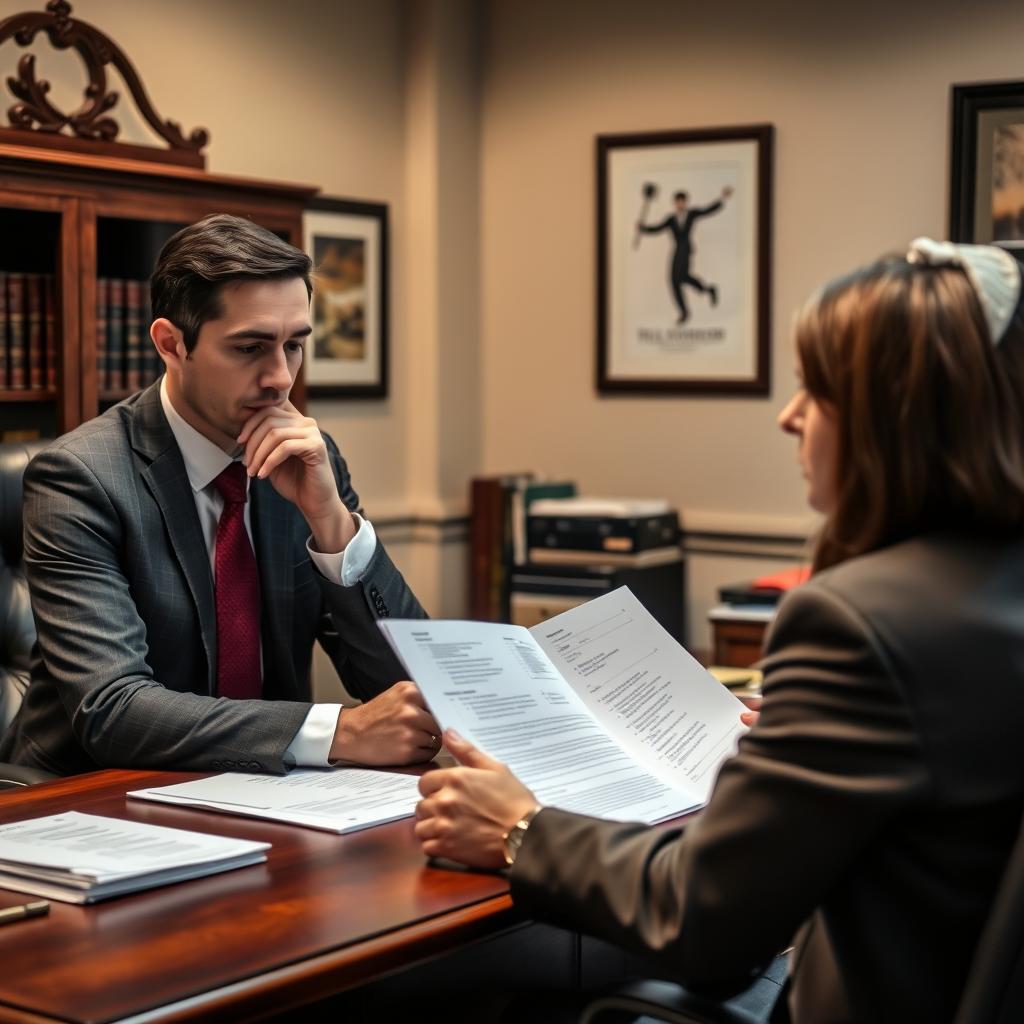
What happens at a criminal arraignment in Ulster County
An arraignment is the first court appearance after an arrest in Ulster County. At the hearing, a judge reads the charges against you, advises you of your rights, and asks how you plead. The court also considers release conditions—whether you will be released on your own recognizance, with conditions, or have bail set. In New York, reforms have eliminated cash bail for most misdemeanors and non-violent felonies, but violent felony charges may still involve bail. Having experienced defense counsel at the arraignment helps protect your rights from the outset. Mr. Sris and his Of Counsel team handle criminal matters in Ulster County courts. To discuss your case, call Law Offices Of SRIS, P.C. at (888) 437-7747. Law Offices Of SRIS, P.C. – Advocacy Without Borders.
Understanding the Arraignment Process in Ulster County
Arraignments in Ulster County take place in the local criminal court for misdemeanors and violation-level offenses, or in County Court or Supreme Court Criminal Term for felony charges. The main courthouse is located at 285 Wall Street in Kingston. During arraignment, the judge informs you about the specific charges, including the statute sections under the New York Penal Law. You are entitled to be present, to be represented by an attorney, and to a copy of the accusatory instrument—such as a complaint, information, or indictment. If you cannot afford private counsel, the court assigns an attorney from the 18-b panel or the Public Defender’s office.
The judge then addresses the issue of release. Under New York’s bail reform, which took effect in January 2020, cash bail has been eliminated for the vast majority of misdemeanors and non-violent felonies. For those qualifying offenses, the court typically releases you on your own recognizance or with non‑monetary conditions, such as supervised release or electronic monitoring. For certain violent felonies and a limited set of other offenses, bail may still be set. The court considers factors like your ties to the community, criminal history, and the nature of the charges. If bail is imposed, you may post it directly or through a bail bondsman.
After addressing release, the judge asks for your plea. You may plead “not guilty,” “guilty,” or, with the court’s permission, “no contest.” In nearly all cases, defense counsel advises entering a not‑guilty plea at the arraignment to preserve all rights and to permit further investigation and negotiations. If you plead guilty, the case may proceed to sentencing on the same day for lower‑level offenses, but for felonies the court usually schedules a future sentencing date after a pre‑sentence report. The arraignment concludes with the setting of future court dates, such as a preliminary hearing or a conference with the prosecutor. An experienced criminal defense lawyer can advocate for favorable release conditions and begin building a defense strategy from this very first appearance.
Frequently Asked Questions About Criminal Arraignments in Ulster County
What exactly happens at an arraignment in Ulster County?
At an arraignment, a judge advises you of the charges, your rights, and the potential penalties, and you enter a plea. The judge also decides whether you will be released on your own recognizance, set with conditions, or held on bail. In Ulster County, the hearing occurs in the local criminal court for misdemeanors or in County Court for felonies. You are provided with the accusatory instrument that states the charges. Being accompanied by defense counsel helps ensure that the court respects your rights and that you understand the proceedings.
Do I need a lawyer at my arraignment in Ulster County?
You are not required to have a lawyer at arraignment, but having one protects your interests from the very beginning. An attorney can argue for your release without bail or under favorable conditions, ensure the charges are properly stated, and advise you on how to plead. If you cannot afford a lawyer, the court will assign a public defender or 18‑b panel attorney. However, early private counsel allows for more immediate and individual case review to your case. Mr. Sris and his Of Counsel appear in Ulster County courts on behalf of clients facing criminal charges.
How is bail determined at an arraignment in Ulster County?
Under New York’s 2020 bail reform, cash bail is eliminated for most misdemeanors and non‑violent felonies, and the court often releases you on your own recognizance. For qualifying offenses, release conditions may include supervised release, travel restrictions, or electronic monitoring. Bail is still available for violent felonies and certain enumerated offenses. The judge considers factors such as your criminal history, employment, family ties, and the seriousness of the charges. An attorney can present a strong argument for release without bail by highlighting your community connections and reliability.
What should I bring to my arraignment in Ulster County?
Bring a form of identification, any documents related to the arrest, and the names and contact information of potential witnesses or family members who can speak to your character. While you will be formally charged, having personal identification helps the court verify your identity. If you have already retained an attorney, they will advise you on what to bring and will handle all legal aspects. If you have concerns about employment or scheduling, be prepared to discuss them with your lawyer so they can raise relevant information with the judge.
What happens if I fail to appear for my arraignment in Ulster County?
Failing to appear for a scheduled arraignment can result in the judge issuing a bench warrant for your arrest. New York law treats bail jumping and failure to appear as separate offenses, and you could face additional criminal charges. Once a warrant is issued, law enforcement may arrest you at any time. If you have missed an arraignment, contact an attorney immediately to discuss how to resolve the warrant and reschedule the appearance. Law Offices Of SRIS, P.C. can assist you in addressing a missed court date in Ulster County.
Can I plead guilty at the arraignment and resolve my case immediately?
You may plead guilty at arraignment, but doing so without first reviewing the prosecution’s evidence and consulting an attorney is risky. For minor violations and some misdemeanors, the court may accept a guilty plea and impose sentence the same day. For more serious charges, including felonies, the court typically schedules a sentencing hearing after a pre‑sentence investigation. Entering a guilty plea waives your right to trial and to challenge the evidence. Most defense attorneys recommend entering a not‑guilty plea at arraignment to preserve your options.
What is the difference between a misdemeanor arraignment and a felony arraignment in Ulster County?
Misdemeanor arraignments usually occur in a local criminal court, while felony arraignments take place in County Court or Supreme Court Criminal Term. For felonies, the case begins in a local court for the initial appearance and arraignment, but after indictment by a grand jury the case moves to the higher court. The procedural rights are similar, but felony cases involve more complex pretrial processes and potential penalties. Your attorney will explain the specific court where your arraignment will be held and prepare you for what to expect.
Where are arraignments held in Ulster County?
Arraignments are conducted at courthouses throughout Ulster County, primarily the Ulster County Supreme Court building at 285 Wall Street in Kingston. Town and village justice courts may handle misdemeanor and violation arraignments in their respective localities. The specific court depends on the type and location of the alleged offense. Before your court date, your attorney will confirm the exact courthouse and courtroom. Mr. Sris and his Of Counsel regularly appear in these courts.
How long does an arraignment take?
An arraignment hearing itself is typically brief, often lasting only a few minutes, but the overall time spent at the courthouse can vary. Waiting for your case to be called, processing paperwork, and meeting with your attorney may extend the visit to several hours. The court’s calendar and the number of cases scheduled that day affect the wait. Your lawyer can help you understand the timeline and plan accordingly, so you are not unnecessarily delayed at the courthouse.
Can I speak directly to the prosecutor or judge at my arraignment?
You have the right to speak, but it is generally inadvisable to address the prosecutor or judge without your attorney present. Anything you say can be used against you. Your attorney will speak on your behalf, present arguments for release, and enter your plea. If you wish to address the court personally, discuss it with your lawyer first. Represented defendants communicate through counsel to avoid inadvertently making statements that could harm the defense.
What happens after the arraignment in Ulster County?
After arraignment, the court schedules future dates, such as a preliminary hearing, a conference with the prosecutor, or a trial date. Your attorney will begin reviewing the evidence, investigating the charges, and exploring possible defenses or plea negotiations. In misdemeanor cases, a trial date may be set a few months out. For felonies, the case moves toward grand jury proceedings and eventual trial in County Court. The next steps depend on the nature of the charges and the decisions made by you and your counsel.
Should I discuss my case with law enforcement before the arraignment?
You have the right to remain silent, and you should exercise that right until you have spoken with an attorney. Anything you tell the police can be used against you. If officers attempt to question you about the incident, politely state that you wish to speak with a lawyer before answering any questions. Contact an attorney as soon as possible. Mr. Sris and his Of Counsel are available at (888) 437-7747 to provide guidance before your arraignment.
About Mr. Sris and His Of Counsel Team
Mr. Sris, Owner and Founder of Law Offices Of SRIS, P.C., is a former prosecutor who has practiced law since 1997. He is admitted in Virginia, Maryland, the District of Columbia, New Jersey, and New York. Mr. Sris and his Of Counsel bring over 120 years of combined legal experience and have achieved over 4,739 documented firm-wide results. Results may vary. The firm represents clients at arraignments and throughout criminal proceedings in Ulster County courts. For a consultation, reach the firm at (888) 437-7747.
Related criminal defense pages: Criminal defense lawyer New York County | Criminal defense lawyer Kings County | Criminal defense lawyer Queens County | Criminal defense lawyer Richmond County | Criminal defense lawyer Nassau County
Attorney advertising. Prior results do not guarantee a similar outcome. Case results depend on a variety of factors unique to each case. Results may vary.